


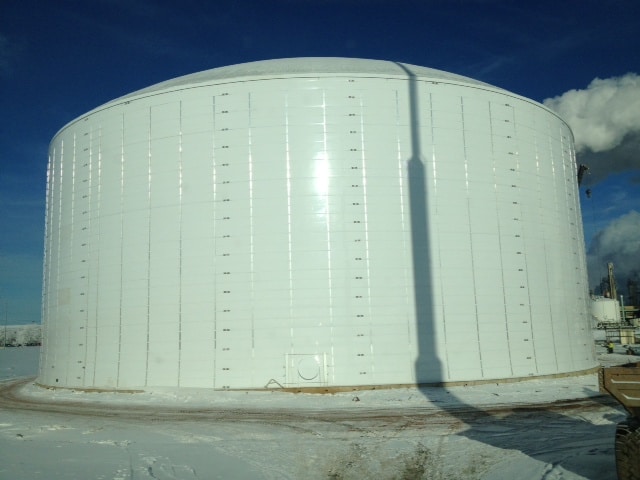
19 Feb How to Choose the Right Tank Insulation Contractor
Summary:
What Makes Industrial Tank Insulation Different
Most insulation contractors have never touched a storage tank. That’s not an exaggeration.
Industrial tank insulation requires knowledge that residential or commercial building contractors simply don’t have. You’re working with curved surfaces that expand and contract with temperature swings. Operating conditions that range from cryogenic cold to extreme heat. Wind loads, moisture barriers, and thermal calculations that determine whether your system works or wastes your money.
A contractor who installs spray foam in attics isn’t qualified to engineer a system for your 80-foot diameter asphalt storage tank. The applications aren’t even close. When tank insulation fails, you don’t just lose comfort—you lose thousands monthly in energy waste, risk expensive corrosion damage, and potentially compromise product quality. That’s why facility managers across Nassau County, NY need contractors who specialize in industrial applications and understand your specific operational challenges.
Why Custom Engineered Insulation Systems Outperform Generic Solutions
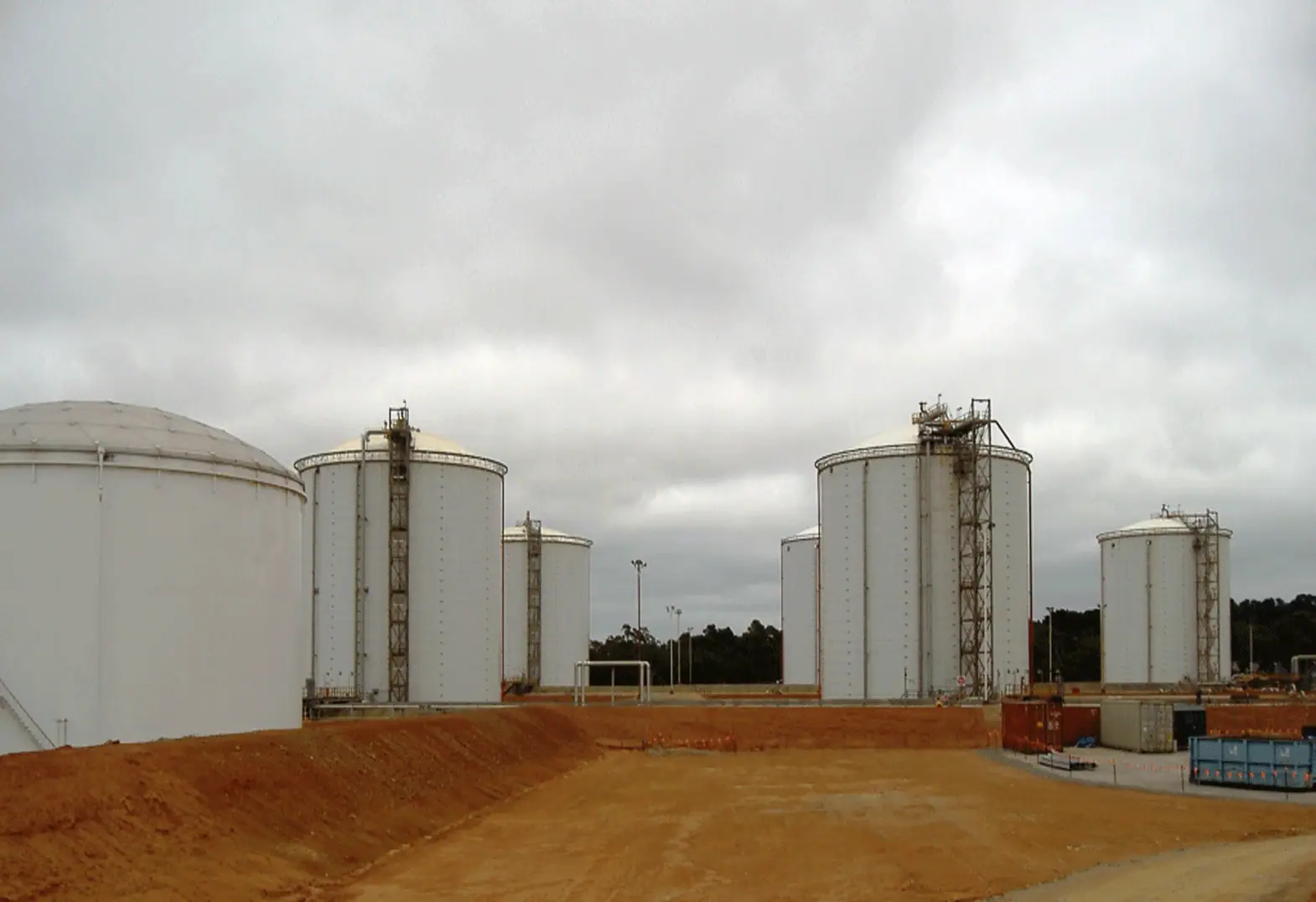
Here’s the difference between professional tank insulation contractors and everyone else: engineering.
Generic, one-size-fits-all approaches don’t account for your tank’s actual dimensions, your operating temperature, or the environmental conditions at your Nassau County, NY facility. Real custom engineering starts with precise measurements and thermal calculations. The contractor should use CAD software to design panels that fit your exact tank geometry, calculate wind loads for your location, and select materials with the correct thermal resistance for your application.
This isn’t just technical detail—it’s the difference between a system that performs and one that disappoints. If insulation thickness isn’t calculated for your specific heat loss requirements, you’re either over-spending on unnecessary material or under-insulating and watching energy dollars evaporate. If the vapor barrier isn’t positioned correctly for your operating temperature, you’ll face moisture infiltration and corrosion before you hit your ROI target.
Custom engineering also accounts for how tanks behave in the real world. They expand when heated, contract when cooled. Your insulation system needs to move with those changes without creating gaps or stressing attachment points. Professional tank insulation contractors design standing seam systems with internal cable anchors that secure panels while accommodating thermal movement.
The best contractors walk you through their design process without the jargon fog. They explain why they’re recommending polyisocyanurate foam versus mineral wool for your application. They show you how aluminum or stainless steel sheathing protects against your local weather. They provide calculations showing expected energy savings and realistic payback periods.
If a contractor offers the same solution for every tank regardless of what you’re storing or how you’re operating it, you’re looking at someone who doesn’t actually engineer systems—they just install panels.
Critical Questions That Reveal Real Tank Insulation Expertise
You need answers before you commit. These questions separate contractors who know their craft from those who’ll leave you with expensive problems.
Start with the basics that protect you legally. Ask for their New York State contractor license number and verify it’s current. Then ask about insurance—you need current certificates for both general liability and workers compensation. If someone gets injured at your facility or your tank gets damaged during installation, proper insurance is the only thing standing between you and a lawsuit. Any hesitation about providing documentation tells you what you need to know.
Next, get specific about their tank insulation experience. How many storage tank projects have they completed in the past two years? How many in your industry specifically—whether that’s food processing, chemicals, or energy storage? Can they provide references from facilities with similar tanks and operating conditions? A contractor with decades of residential work but limited industrial tank experience isn’t the specialist your facility needs.
Dig into their engineering approach. Will they create a custom design for your specific tank and operating parameters? What software do they use for thermal calculations and panel design? How do they determine appropriate R-values and insulation thickness? How do they factor in Nassau County’s coastal wind loads and humidity? Their answers—or lack thereof—reveal whether you’re talking to engineers or just installers following a script.
Material selection deserves detailed discussion. What insulation materials do they recommend for your temperature range and why? What are the trade-offs between different options? How do various materials perform regarding moisture resistance, fire safety, and expected lifespan? Can they explain R-values in terms of actual energy savings, not just technical specifications? If they’re pushing one material because “it’s what we stock,” that’s your cue to keep looking.
Ask about their installation process. How long will your project take from start to finish? Can tanks stay in service during installation, or do you need scheduled downtime? What attachment method do they use—external banding that can loosen over time, or internal cable systems that accommodate thermal movement? How do they seal panel seams to prevent water infiltration? What’s their plan if they discover tank shell issues during installation?
Finally, nail down warranties and guarantees. What workmanship warranty do they provide? What’s covered by the material manufacturer? How long are warranties valid and what’s the claims process? Contractors confident in their work provide clear, written warranty terms without waffling.
Warning Signs You're Talking to the Wrong Contractor
Some red flags wave obviously. Others hide in contract language and sales tactics. All of them signal the same outcome: you’ll pay more and get less than promised.
Vague contracts top every experienced facility manager’s warning list. If the proposal doesn’t specify materials by exact product name and R-value, describes work in thickness measurements instead of thermal performance, or uses fuzzy language like “approximately” or “plus or minus” for insulation values, you’re staring at future disappointment. Professional tank insulation contractors provide precise specifications because they know exactly what they’re installing and how it will perform.
High-pressure sales tactics are another massive red flag. Legitimate contractors don’t need to manufacture urgency. If someone offers a 40% discount that expires tomorrow, drops their price dramatically when you mention a competitor’s quote, or pushes you to sign before you’ve verified references, walk away. Quality engineering and installation don’t require theatrical sales pressure.
How to Actually Verify a Tank Insulation Contractor's Track Record
References matter, but most people use them wrong.
Don’t just ask for references—ask for five recent projects matching your situation. Same industry, similar tank sizes, comparable operating temperatures. Then actually call them. Skip the “were you satisfied” question that everyone says yes to. Get specific. Did the contractor finish on schedule or drag the project out? Were there surprise costs beyond the original contract? How has the insulation actually performed—are energy savings matching projections? Have they experienced moisture problems, corrosion, or performance degradation? Most importantly: would they hire this contractor again without hesitation?
Pay attention to how references describe communication. Did the contractor proactively update them throughout the project, or did they have to chase down information? Did crews show up when scheduled? Were questions answered thoroughly or brushed off? These details reveal how contractors operate when challenges arise—and challenges always arise.
Go beyond the curated reference list. Search the company online and read Google reviews, industry forum discussions, and Better Business Bureau records. Check if they’re members of professional organizations like the Insulation Contractors Association of America. Membership alone doesn’t guarantee quality, but it shows engagement with industry standards and ongoing education.
Ask to see completed projects or review detailed photos. Seeing their actual work tells you more than any sales presentation. Look at panel seam quality, how cleanly they integrated around manholes and nozzles, whether installations look professionally executed or rushed.
Verify their engineering capabilities too. Do they have licensed engineers on staff, or do they outsource design work to the lowest bidder? Who will actually engineer your system? Can you speak directly with that person? The best tank insulation companies have in-house engineering teams who’ve designed hundreds of systems and can explain their approach in plain language.
Don’t skip safety records. Ask about OSHA compliance, safety training programs, and incident history. Contractors with frequent violations put your facility at risk and signal poor management across the board.
Understanding Tank Insulation Costs and What Actually Affects Your Investment
You’ll get quotes ranging from reasonable to astronomical. Understanding what drives pricing helps you evaluate value instead of just picking the lowest number.
Tank size obviously impacts cost—larger diameter and taller tanks require more material and labor. But the relationship isn’t linear. A 60-foot tank doesn’t cost twice as much as a 30-foot tank because installation efficiency improves with size. Height matters more than you’d expect because taller tanks need more sophisticated access equipment and take longer to safely install.
Material selection significantly affects your investment. Polyisocyanurate foam costs less than mineral wool or cellular glass, but it may not be appropriate for your temperature range or fire code requirements. Sheathing material matters too. Aluminum costs less than stainless steel but may not withstand corrosive environments as long. The best tank insulation contractors explain these trade-offs instead of just quoting the cheapest option and hoping you don’t ask questions.
Operating temperature drives complexity and cost. Cryogenic applications below -50°F require specialized vapor barriers, multiple insulation layers, and sophisticated engineering. High-temperature applications need materials that maintain thermal performance without degrading. Ambient temperature tanks are simplest and least expensive.
Your Nassau County, NY location influences pricing through prevailing labor rates, material transportation costs, and local code requirements. Coastal proximity means designs must account for higher wind loads and salt air exposure, adding engineering time and potentially requiring more robust attachment systems.
Project timing matters more than most people realize. Need installation completed during a short maintenance window? Expect premium pricing for expedited scheduling and possible overtime. Have flexibility? You might negotiate better rates during slower seasons.
Don’t evaluate quotes solely on the bottom-line number. Compare what’s actually included. Does the price cover engineering and CAD design work? Are permits and inspections included? What about cleanup and disposal of old insulation if you’re retrofitting? Is there a warranty, and if so, for how long and covering what? The lowest bid often excludes items that other contractors include, making true comparison impossible.
Ask about payment terms. Be suspicious of contractors demanding large upfront payments or full payment before completion. Standard practice is a reasonable deposit to begin engineering and order materials, progress payments tied to project milestones, and final payment after satisfactory completion and inspection. Never pay in full before the work is done.
Calculate return on investment rather than fixating on initial cost. A properly engineered system might cost 20% more upfront but deliver 40% better energy performance annually. Over a 20-year lifespan, that higher-performing system provides dramatically better value. Ask contractors to provide energy savings calculations based on your actual operating conditions so you can compare true costs, not just installation prices.
Making a Tank Insulation Contractor Decision You Won't Regret
You’ve asked the tough questions. You’ve verified credentials and checked references. You’ve compared detailed proposals. Now it comes down to which contractor you actually trust to protect your investment.
The right tank insulation contractor demonstrates expertise through engineering knowledge, not sales pressure. They explain their design process clearly, provide detailed specifications that leave no room for ambiguity, and stand behind their work with comprehensive warranties. They understand your industry’s specific challenges because they’ve successfully solved them for similar facilities.
Don’t let the lowest price drive your decision. The cheapest bid often becomes the most expensive mistake when you factor in poor performance, premature system failure, or the need for costly repairs within a few years. Focus on long-term value—measurable energy savings, proven durability, and confidence that your investment will deliver as promised.
When you’re ready to move forward with a tank insulation project in Nassau County, NY, choose a contractor with demonstrated expertise and a proven track record of engineering solutions that perform for decades. We’ve been designing and installing custom tank insulation systems since 1971, serving facilities across multiple industries nationwide. Reach out to discuss your specific requirements and learn how proper insulation engineering reduces energy costs while protecting your assets for the long term.