



19 Mar Tank Insulation for Extreme Temperatures: Cold Storage & Hot Liquids
Summary:
Why Temperature Control Matters for Tank Safety and Product Integrity
Temperature fluctuations don’t just affect energy consumption. They compromise what’s inside your tanks and create safety risks that compound over time.
When temperatures swing, stored liquids and gases expand and contract. This breathing causes vapor loss, pressure changes, and in some cases, product degradation that makes materials unusable. For temperature-sensitive substances like polymer-modified asphalt or refrigerated ammonia, even minor temperature drift can alter viscosity, trigger chemical changes, or create conditions where pumps can’t move product effectively.
The safety angle is straightforward but critical. Combustible materials stored at improper temperatures increase fire and explosion risk. Cold storage materials that warm up can generate excessive pressure. Hot materials that cool below their pour point solidify in lines and valves, creating blockages that require shutdowns to clear. Proper insulation creates a buffer between your stored product and external conditions, maintaining the specific temperature range your operation requires.
Cold Storage Tank Insulation for Ammonia Propane and Cryogenic Applications
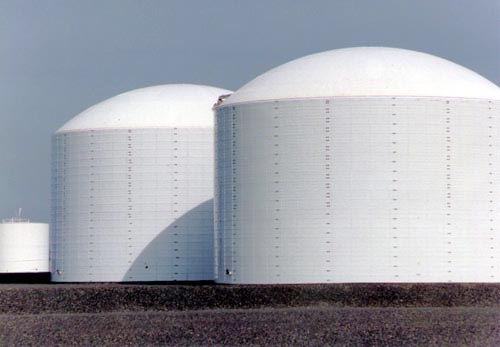
Cold storage insulation isn’t just thicker material. It’s a completely different engineering challenge because you’re fighting heat gain instead of heat loss, and moisture becomes your primary enemy.
At temperatures below freezing, any breach in your vapor barrier lets humid air contact cold surfaces. That moisture condenses, then freezes, then compromises your insulation’s thermal performance. Once moisture gets in, it doesn’t leave. It sits there, reducing R-value and creating conditions for corrosion under insulation that eats through tank walls from the outside in.
Ammonia storage at -50°F requires multiple-layer systems with redundant vapor barriers. The insulation itself needs to maintain structural integrity at extreme cold without cracking or pulling away from the tank surface. Materials like polyisocyanurate foam work well here because they resist moisture infiltration and maintain consistent R-values even when exterior temperatures swing.
Propane and butane present similar challenges but with the added complexity of pressure considerations. These tanks need insulation systems that accommodate thermal expansion and contraction without creating gaps. External banding systems secure insulation panels while allowing enough movement to prevent buckling during temperature cycles.
The roof is often the weak point in cold storage systems. Heat rises, so the top of your tank experiences the highest rate of heat gain. Gore-cut panels designed specifically for dome roofs create a sealed system that prevents warm air infiltration at the highest-risk area. When installed correctly before the roof is raised, these systems can even be put in place during winter conditions without compromising performance.
High Temperature Tank Insulation for Asphalt Petroleum and Heated Liquids
Asphalt storage operates in a completely different thermal environment. You’re maintaining temperatures between 300°F and 400°F to keep material fluid enough to pump, and every degree you lose costs you in reheat energy.
The challenge with high-temperature insulation is preventing heat loss while protecting the insulation material itself from thermal degradation. Standard foam insulations break down above 250°F, so you need materials rated for sustained high temperatures. Mineral wool, fiberglass, and calcium silicate can handle these ranges, but they require proper layering and jacketing to maintain effectiveness.
Asphalt tanks lose heat through three mechanisms: conduction through the tank wall, convection from air movement across the surface, and radiation from the hot metal. Effective insulation addresses all three. Multiple insulation layers reduce conduction. A sealed outer jacket prevents convective loss. Reflective barriers on the insulation face reduce radiant heat transfer.
Petroleum storage faces similar requirements but often with more stringent fire safety considerations. The insulation system needs to be non-combustible and in some cases provide passive fire protection that keeps tank contents below ignition temperature during an external fire event. This typically means thicker insulation, fire-resistant jacketing materials, and careful attention to penetrations where pipes and instrumentation pass through the insulation envelope.
Thermal energy storage systems add another layer of complexity because they cycle between hot and cold. These tanks might store heated water at 200°F during off-peak hours, then discharge that energy during peak demand. The insulation system needs to handle not just high temperatures but repeated thermal cycling without degrading seals or creating air gaps that reduce performance over time.
One often overlooked aspect of high-temperature tank insulation is the bottom. Heat conducts down into the foundation, and if that foundation is concrete, you’re essentially heating the ground beneath your tank. Bottom insulation with a proper vapor barrier prevents this loss and protects the tank floor from moisture wicking up through the foundation.
Material Selection Tips by Temperature Range
Choosing insulation materials based on temperature range isn’t as simple as checking a spec sheet. Different materials perform differently under sustained exposure, moisture conditions, and mechanical stress.
For cold applications below 0°F, closed-cell foams like polyisocyanurate and extruded polystyrene dominate because their cellular structure resists moisture infiltration. The closed cells don’t absorb water, which means thermal performance stays consistent even in humid environments. These materials also provide structural rigidity that prevents sagging or compression over time.
High-temperature applications above 250°F require mineral wool, fiberglass, or ceramic fiber insulations that won’t melt, off-gas, or lose structural integrity. The trade-off is that these materials are more susceptible to moisture absorption, so they need more robust weather barriers and drainage provisions to stay dry.
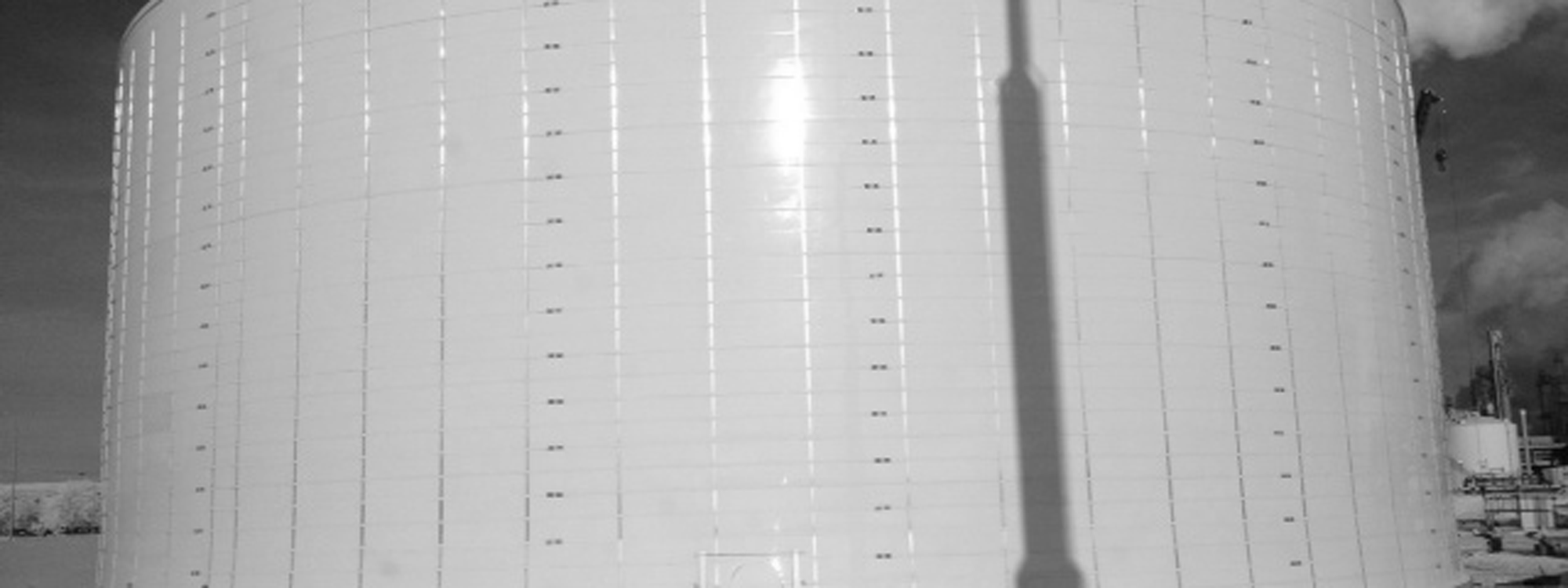
Insulation Materials for Extreme Cold Storage Tanks
Polyisocyanurate foam is the workhorse of cold storage insulation for good reason. It offers high R-value per inch, resists moisture, and bonds well to metal surfaces. When laminated to aluminum sheathing, it creates a complete panel system that installs quickly and provides both insulation and weather protection in one component.
The foam itself is closed-cell, meaning each tiny bubble is sealed off from its neighbors. This structure prevents moisture migration through the material. Even if the outer jacket is breached, water can only penetrate to the depth of the damage rather than wicking through the entire insulation thickness.
For extremely cold applications like LNG storage at -160°F, foam glass becomes the material of choice. It’s completely inert, won’t absorb moisture, and maintains its properties at cryogenic temperatures where other materials become brittle. The downside is cost and installation complexity. Foam glass blocks require precise fitting and specialized adhesives that remain flexible at low temperatures.
Extruded polystyrene (XPS) offers a middle ground. It’s less expensive than polyiso, still provides good moisture resistance, and works well for applications in the -50°F to 0°F range. It’s commonly used in refrigeration systems and cold storage facilities where extreme cold isn’t a factor but consistent below-freezing temperatures are the norm.
The vapor barrier matters as much as the insulation material. For cold storage, the vapor barrier goes on the warm side of the insulation to prevent humid air from reaching cold surfaces where it would condense. This is the opposite of hot insulation, where the vapor barrier goes on the cold side. Getting this wrong creates moisture problems that compromise the entire system.
Multiple-layer systems with staggered joints provide redundancy. If one layer develops a breach, the second layer prevents moisture from reaching the tank surface. This approach is standard for large ammonia storage tanks where failure isn’t an option and access for repairs is difficult once the tank is in service.
Insulation Materials for High Temperature Asphalt and Petroleum Tanks
Mineral wool dominates high-temperature applications because it’s non-combustible, maintains structural integrity above 1000°F, and provides excellent thermal resistance. It’s made from molten rock or slag spun into fibers, creating a material that simply doesn’t burn and won’t melt at temperatures your tank will ever see.
The challenge with mineral wool is moisture. The fibrous structure can absorb water, and wet insulation loses most of its thermal performance. This means the jacketing system becomes critical. Aluminum or stainless steel jacketing with sealed seams keeps rain and humidity out while allowing any trapped moisture to escape through carefully placed weep holes at the bottom of the system.
Calcium silicate offers higher compressive strength than mineral wool, making it suitable for areas where the insulation needs to support its own weight or resist mechanical damage. It’s commonly used on tank bottoms and in areas where maintenance traffic might contact the insulation surface. The material is formed into rigid boards that install like blocks, with staggered joints to prevent thermal bridging.
Fiberglass insulation works well in the 300°F to 500°F range and costs less than mineral wool or calcium silicate. It’s available in batts, boards, and pipe insulation forms, making it versatile for different tank geometries. The main limitation is temperature ceiling. Above 500°F, fiberglass begins to lose structural integrity and off-gas binders used in its manufacture.
For asphalt tanks specifically, the insulation system needs to account for product temperature variability. Straight asphalt might be stored at 300°F, but polymer-modified asphalt can run 350°F or higher. The insulation material needs headroom above the maximum operating temperature to prevent degradation during heat-up cycles or process upsets.
Layered systems using different materials can optimize both performance and cost. An inner layer of high-temperature material like mineral wool handles direct tank contact, while an outer layer of less expensive fiberglass provides additional R-value where temperatures are lower. This approach puts expensive materials only where they’re absolutely necessary.
The outer jacketing serves multiple purposes beyond weather protection. It provides a reflective surface that reduces radiant heat gain on cold tanks or heat loss on hot tanks. It protects the insulation from mechanical damage and UV degradation. And it creates a finished appearance that makes visual inspection easier and identifies damage before it compromises thermal performance.
Choosing the Right Tank Insulation System for Your Application
Temperature extremes demand insulation systems engineered for your specific application. Generic solutions might work initially, but they fail when conditions push materials beyond their design limits. The right approach starts with understanding your operating temperatures, environmental conditions, and what happens when insulation doesn’t perform as expected.
Material selection, vapor barrier placement, and installation quality all contribute to long-term system performance. Cold storage systems need moisture-resistant materials and redundant vapor barriers. High-temperature applications require non-combustible insulation and robust weather protection. Both need engineering that accounts for thermal expansion, wind loads, and access for future maintenance.
When you’re ready to move forward with a tank insulation system that handles extreme temperatures without compromise, we bring over 40 years of experience designing custom solutions for cold storage, asphalt , petroleum, and thermal energy applications. Our engineering happens before installation begins, ensuring your system performs when conditions are at their worst.